Chapter 4 - The Unraveling of the Rumors
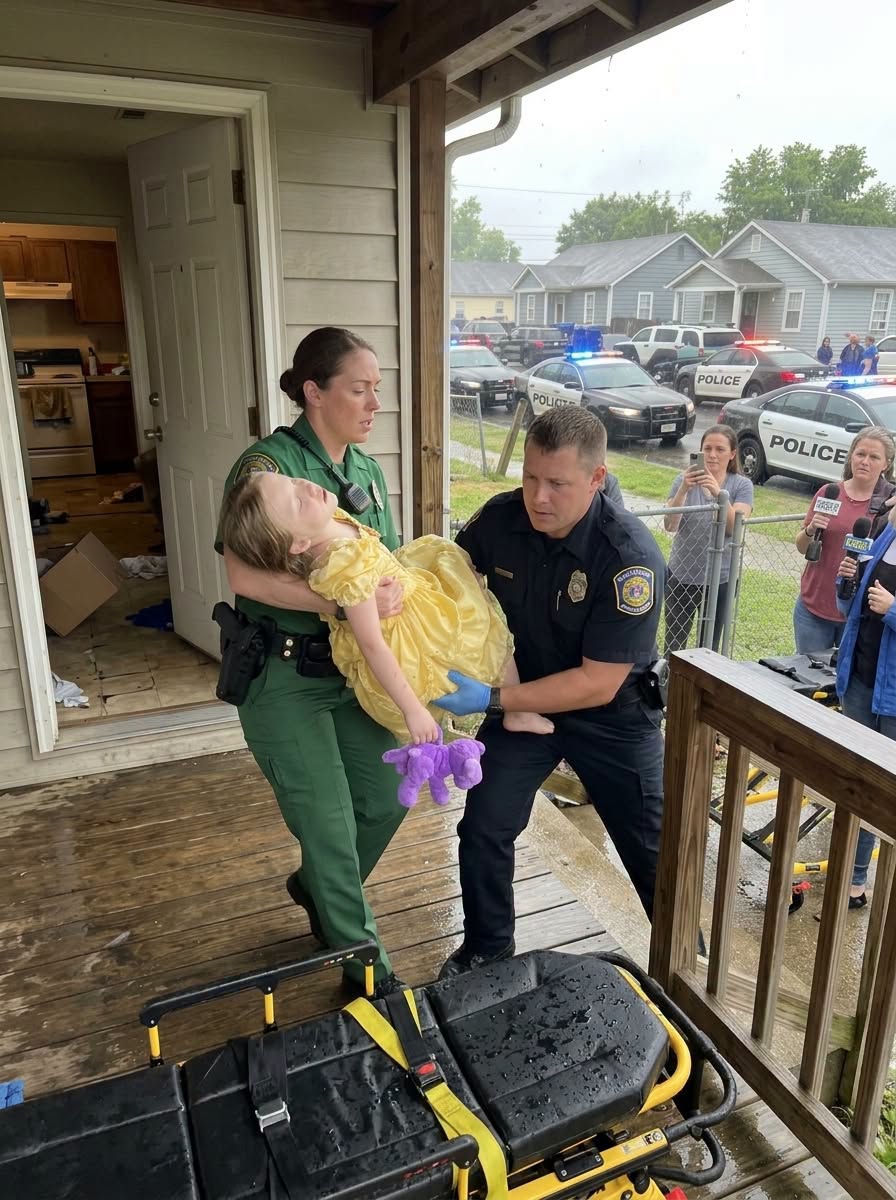
The recovery of the green jacket sent a seismic shock through the precinct, but the search teams still hadn't found a body.
Divers scoured the downstream riverbeds for three consecutive days, combing every square foot of the murky basin, yet the river yielded no further traces of Andrew Harris. Rumors in the neighborhood mutated once again. Without a body, the cynics insisted he had slipped away in the dark during the chaos of the flash flood, leaving his jacket behind as a clever decoy to throw law enforcement off his scent.
Online forums dedicated to local true crime buzzed with toxic speculation. Keyboard warriors dissected Andrew’s past credit history, his employment gaps, and his rental lease agreements, painting a portrait of a desperate man who had finally broken under the weight of modern poverty.
Meanwhile, Ashley remained at the county hospital under protective medical care, slowly gaining back her strength, though she still asked every single nurse, doctor, and police officer who walked into her room the exact same question:
“Has my daddy come back yet?”
Natalie hated answering that question. Every time she looked into those trusting, tired brown eyes, a heavy weight settled over her chest. She had promised herself she wouldn't stop digging until she found out the absolute truth about what happened on River Road that stormy Sunday night.
On Friday morning, Natalie bypassed the official precinct offices and drove straight to the municipal traffic control department downtown.
The city’s transit and traffic infrastructure director, an older man named Henderson with thick glasses and a cluttered desk covered in zoning maps, looked up lazily as Natalie flashed her badge.
“Officer Natalie, right? I heard about the River Road case. Tragic business. But our department already handed over all the dashcam footage from the automated toll-booth cameras near the highway.”
“I’m not here about the highway cameras, Mr. Henderson,” Natalie said, pulling up a chair uninvited and placing her notebook on his desk. “I’m here about the municipal storm-drain sensors and private security feeds along the industrial canal running parallel to River Road.”
Henderson frowned, leaning back in his squeaky leather chair. “The canal? That area has been closed to commercial traffic for five years. There’s no city cameras down there.”
“Not city cameras,” Natalie corrected smoothly. “Private ones. The old shipping warehouse at 412 River Road—the one owned by Apex Logistics—has an automated perimeter security system with high-definition optical sensors pointing directly toward the municipal drainage culvert where Andrew Harris’s bag was recovered.”
Henderson blinked, sitting up a little straighter. “Apex Logistics upgraded their entire security grid last year. Those sensors record in 4K with night-vision infrared capabilities. But getting their corporate legal team to release archived footage without a federal warrant usually takes weeks.”
Natalie reached into her pocket, pulled out a signed judicial subpoena she had managed to push through a sympathetic family court judge an hour earlier, and laid it flat on the desk.
“Good thing I didn’t wait for a warrant,” she said with a faint, tight smile. “I brought one with me.”
Forty-five minutes later, Natalie sat in a dark technical editing booth alongside the department's lead digital forensics analyst, watching a high-definition monitor flicker to life.
The timestamp in the corner of the screen read: Sunday, October 14 – 7:42 PM.
Heavy sheets of digital rain fell across the screen, distorting the lens of the security camera mounted high on the warehouse wall. The view looked straight down at the unlit shoulder of River Road and the mouth of the concrete drainage culvert where the flash flood had torn through the basin.
At first, the footage showed only rushing water, thrashing tree branches, and sheets of blinding rain.
“Fast-forward to 7:55 PM,” Natalie instructed, leaning forward with her hands braced against the console.
The analyst tapped a few keys, and the video accelerated.
Suddenly, a human figure appeared on screen.
A lone man wearing a dark hoodie and a green jacket was walking briskly along the unlit shoulder of the road, carrying a heavy plastic grocery bag in one hand. It was Andrew. He was soaked to the skin, his head bowed against the driving wind, fighting desperately against the elements to get home to his daughter.
“There he is,” Natalie whispered, her heart hammering against her ribs.
On screen, Andrew reached the edge of the road right above the concrete drainage culvert.
Suddenly, a massive wall of foaming brown water—a localized flash flood surge triggered by a breached agricultural retention basin two miles upstream—erupted over the embankment without warning.
The wall of water hit the roadway with the force of a moving freight train.
On the monitor, Andrew didn't even have time to turn around. The violent torrent swept his legs out from under him in a fraction of a second, hurling his body off the asphalt shoulder and directly into the gaping mouth of the concrete drainage culvert.
The heavy canvas duffel bag slipped from his grip, flying through the air before jamming deep into the grating where divers would eventually find it days later.
Andrew himself vanished into the churning, subterranean darkness of the storm pipe in less than two seconds.
The analyst paused the frame, freezing the horrifying moment of impact on the screen.
Silence hung heavy in the editing booth.
Natalie stared at the frozen image of the man the entire city had branded as a monster—a man who had fought tooth and nail through a blinding storm, carrying medicine and groceries, right up until the exact second the earth swallowed him whole.
“My God,” the analyst breathed softly. “He didn't run away. He was fighting to get home.”
May you like


Natalie swallowed the lump in her throat, her hands trembling as she closed her notebook. The public narrative was shattered. But the hardest part of all was still waiting for her back at the hospital.
She had to tell a seven-year-old little girl that her daddy hadn't abandoned her.