Chapter 5 - The Subpoena and the Serpent

The weeks leading up to the preliminary hearing blurred together in a dizzying succession of depositions, physical therapy sessions, and legal consultations.
For the first time in two years, my body began to show genuine signs of recovery. Whether it was the sheer adrenaline of survival or the psychological release of shedding the toxic weight of my marriage, the numbness in my legs began to recede, replaced by a dull, tingling ache that my physical therapist called a miraculous neurological reawakening. I wasn't walking yet, but I could stand with support for thirty seconds at a time—thirty seconds of burning muscle and triumphant defiance.
Daniel, meanwhile, was discovering that a high-priced defense attorney couldn't perform miracles when faced with pristine digital video evidence, forensic fingerprint analysis on the wheelchair's release levers, and an unbroken paper trail of impending bankruptcy.
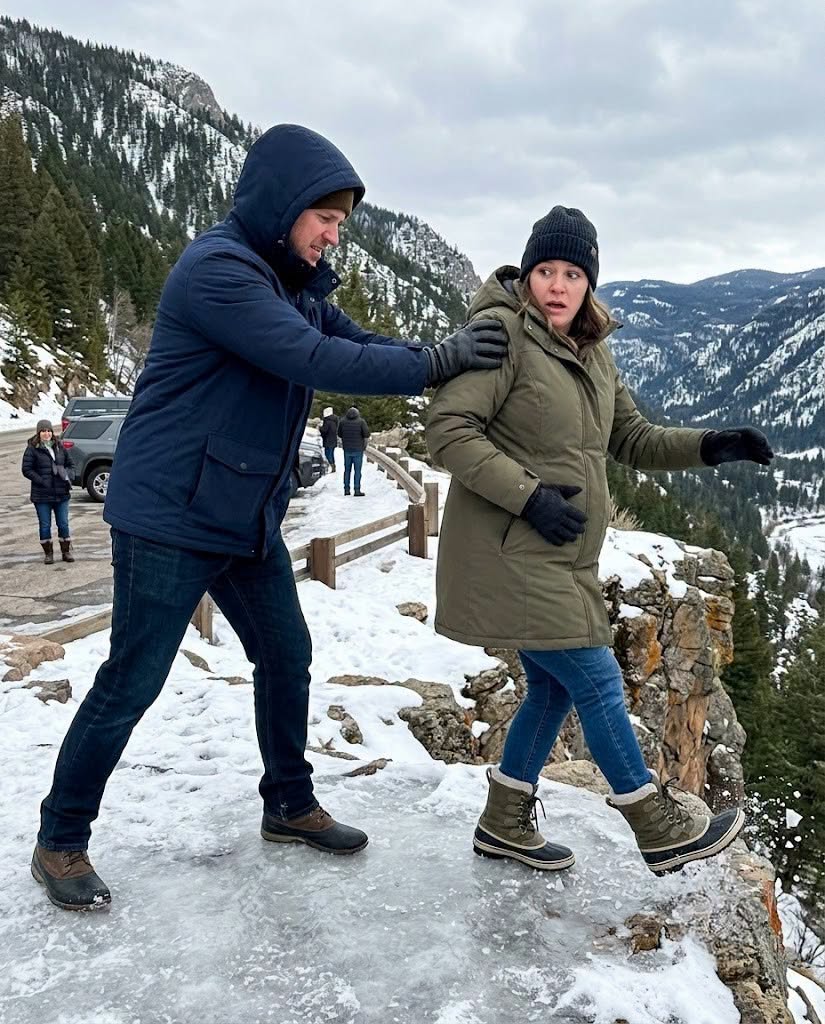
His initial bravado had entirely evaporated by the time he appeared in court for his arraignment. Clad in a standard-issue orange jumpsuit, his hair unwashed and his eyes hollow, he looked ten years older than the man who had smiled at me on the cliffside.
Yet, even in a federal orange uniform, Daniel still believed he could manipulate the narrative.
Three days before the trial was set to begin, I received an unexpected visitor at the secure rehabilitation facility where I was staying.
Her name was Eleanor Vance—no relation to the detective—and she was Daniel’s court-appointed defense attorney. She was a sharp, impeccably dressed woman in her forties with piercing blue eyes and a no-nonsense demeanor that commanded immediate respect.
She walked into my private recovery room without knocking, holding a leather briefcase, and sat down in the chair opposite my bed without waiting for an invitation.
"Mrs. Carter," she began briskly, opening her briefcase and pulling out a thick sheaf of legal documents. "I represent your husband. And before you dismiss me, I suggest you look at what I’ve brought."
I didn't touch the papers. I kept my hands folded over my blanket, looking at her with steady composure. "If this is another plea bargain where Daniel tries to blame his financial stress on temporary insanity, you're wasting your paper."
Eleanor offered a thin, professional smile. "It’s not a plea bargain. It’s an offer of mutual survival."
"Survival for whom?"
"For you," Eleanor said, sliding a document across the table. "Look at the fine print, Mrs. Carter. Specifically, the clauses concerning your joint financial liabilities."
I glanced down at the paper. It was a certified financial disclosure detailing Daniel’s secret accounts—and my own name attached to them as a co-signer on several high-risk commercial loans he had taken out behind my back during our marriage.
My breath caught. "I never signed these."
"Your signature was forged, yes," Eleanor admitted smoothly. "We both know that. But proving corporate forgery during a high-profile criminal trial is a messy, expensive, and public civil battle that could take years, drain every penny of your own inheritance, and keep your name dragged through the mud of every tabloid headline in the country."
She leaned forward, lowering her voice. "Daniel is facing thirty to life. He knows he's going down. But he is willing to sign a full, unreserved confession absolving you of every single cent of his fraudulent debt, transferring the deed to the house entirely into your name, and waiving all claims to your family trust—if you agree to submit a character statement to the judge asking for leniency."
I stared at her in absolute disbelief. Even now, from the bottom of a federal holding cell, Daniel was still trying to negotiate his way out of accountability by using extortion disguised as a favor.
"Lleniency?" I whispered, my voice trembling with cold, rising disbelief. "He pushed a paralyzed woman off a cliff to cash in her life insurance policy, and you want me to ask a judge for mercy?"
"It’s not mercy, Mrs. Carter," Eleanor said calmly, packing her papers back into her briefcase. "It’s pragmatism. Without my cooperation, those fraudulent loans remain tied to your credit, and you’ll spend the next decade fighting creditors in court while trying to rebuild your life."
She stood up, buttoning her jacket, and walked toward the door.
"You have forty-eight hours to decide," she said over her shoulder. "Think very carefully about whether justice is worth bankruptcy."
The door clicked shut.
I sat alone in the quiet room, staring at the document on my bed. For a brief moment, the old Emily—the one who had endured twelve years of quiet submission—whispered that it might be easier just to sign, to take the house, clear the debt, and let him rot in a cell with a slightly shorter sentence.
May you like

Then I reached down, grabbed the document, and ripped it straight down the middle.
I didn't need Daniel’s charity, and I certainly didn't need his mercy. I had the truth, I had the video, and come Monday morning, I was going to see him burn.