Chapter 1 - The Sour Wine and the Sunday Heat
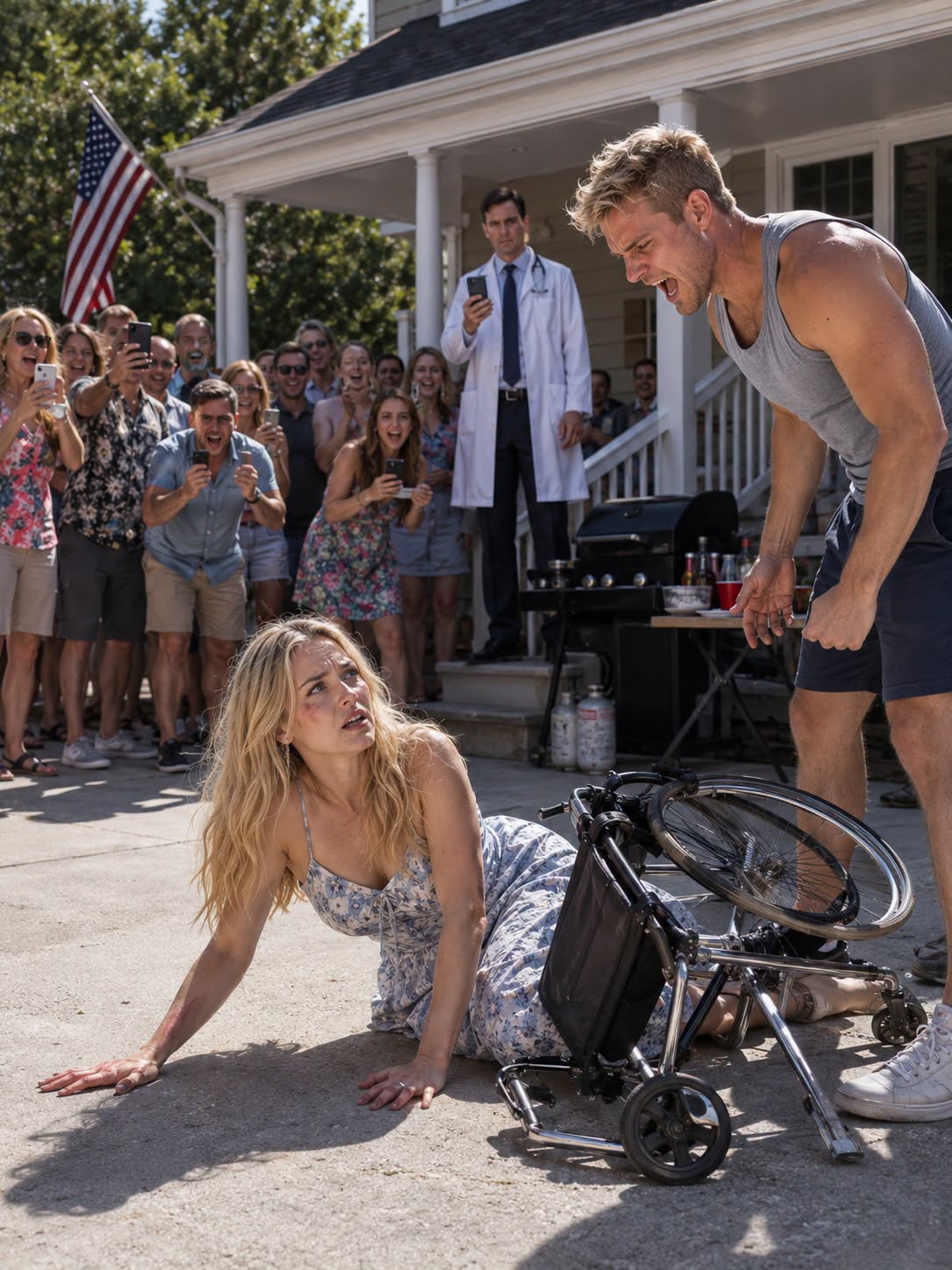
The backyard smelled like buttercream frosting, sunscreen, damp grass, and white wine going sour in the heavy June heat. Pink plastic streamers snapped against the white patio rail whenever a hot gust came sweeping through the trees, and the little bluetooth speaker resting on the food table kept playing a cheerful birthday song that suddenly felt far too bright, far too plastic, for the kind of family we really were.
From the curb, my sister Natalie’s house looked like a magazine cutout of normal suburban happiness. Cheap metallic balloons were tied tightly to the mailbox, bobbing in the wind. Three dozen cupcakes lined up on a folding table like little soldiers of sweetness. A small, crisp American flag clipped near the porch fluttered lazily. A family SUV was parked crooked in the driveway because someone had pulled in late, rushed out, and still wanted to secure a good spot near the back door.
My family had always been exceptionally good at decorating around cruelty. We could take a rotten foundation, cover it in pastel icing, hang a wreath of cheerful greetings on the front door, and convince every passerby that paradise lived inside.
My daughter Rosie was two years old then. She was wearing a faded yellow sundress with little white daisies embroidered along the hem and tiny white sandals that she insisted on wearing even inside the house. One of her sticky little hands was wrapped tightly around my index finger, anchoring herself against a world that was always too loud, too bright, and too overwhelming for her fragile system. Rosie was shy around noise. She was shy around strangers. She was shy around adults who smiled too hard, laughed too loud, and treated children like props in a theatrical production meant to showcase their own parenting perfection. To everyone else in my family, she was "difficult." She was "too sensitive." But to me, she was my absolute whole life.
Five years of agonizing losses came before Rosie was ever conceived. Miscarriages that tore my insides apart. Endless blood tests that left my arms bruised and purple. Clinic bills stacked high on the kitchen counter like tombstones. Paper coffee cups left behind in cold, sterile waiting rooms where hope went to die. I spent countless hours locked inside public bathroom stalls at work, crying soundlessly into my hands until my throat burned, before washing my face, plastering on a blank mask, and walking back out like nothing had ever happened. When Rosie finally came into the world—breathing, kicking, healthy—I made a silent, unbreakable vow to God and to her: I will never let anyone make you feel like you are too much.
Yet Natalie and my mother had a completely different vocabulary for her.
Difficult. Unmanageable. Needy.
Natalie’s daughter Autumn was turning six that particular Saturday, and my mother had spent the entire afternoon parading around the patio, telling guests how effortlessly "easy" Autumn had always been. Easy to feed. Easy to dress. Easy to show off to the neighbors. Every single time Rosie whimpered, every time she reached up for me to hold her, my mother would let out a long, theatrical sigh, as if a child needing her mother was a profound breach of social etiquette and bad manners.
At 2:17 p.m., my mother leaned in close enough to my shoulder that her smile stayed frozen and pretty for the guests milling around the lemonade bowl, while her voice dropped into an icy, venomous register meant exclusively for me.
"Go get Autumn’s gift from your car before everyone starts opening presents," she commanded, not a request, but a sentence.
"I’ll take Rosie with me," I said immediately, shifting my weight.
My mother’s eyes sharpened like broken glass. "Stop acting so neurotic, Clara. Natalie will watch her for five minutes. You’re embarrassing yourself in front of the whole family."
That was the primary trick in our family dynamic. They never called neglect neglect. They called it me being overly dramatic. They called it anxiety. They weaponized my love for my child and turned it into a punchline.
Natalie sat back comfortably in a white mesh lawn chair, a half-empty glass of Pinot Grigio balanced precariously in one manicured hand, and lifted the other in a lazy, dismissive wave. "Go on. Get the present. I’ve got her right here."
May you like

I crouched down in front of Rosie on the damp grass, gently brushing a few damp curls off her hot forehead. "Mommy’s just going to the car to get a present and right back, okay, sweetheart?"
Her bottom lip trembled, her big, clear hazel eyes looking up at me with absolute, unconditional trust, but she nodded anyway because she trusted my word. That was the most agonizing part of it all. I had taught my daughter that Mommy always came back, and then, believing the lies of the monsters who raised me, I let go of her hand.